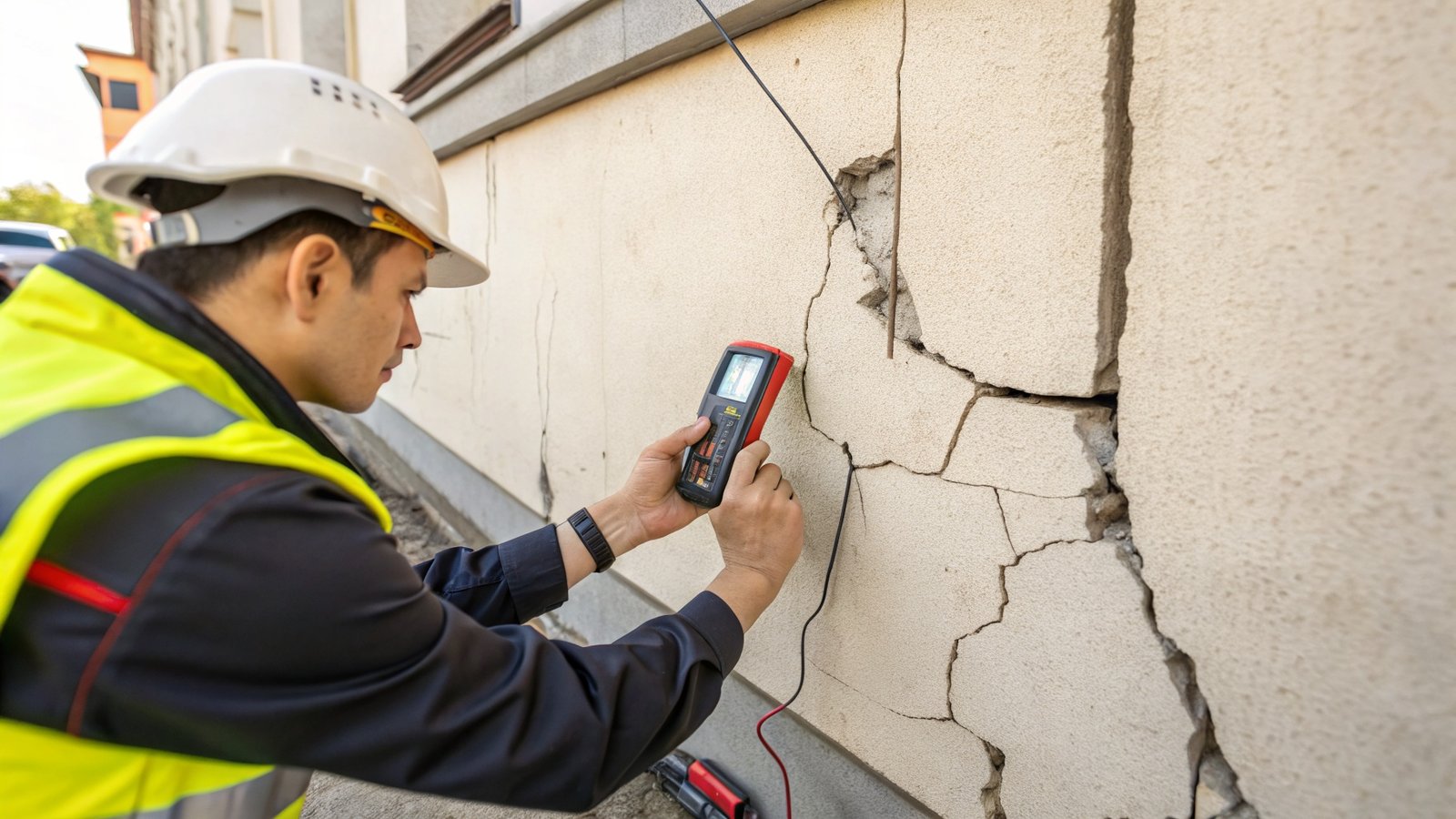
My Commercial Building Surveyor identifies structural defects in commercial properties throughout the UK. Structural issues can dramatically affect building safety, value, and usability. This comprehensive guide explains common structural defects, warning signs to watch for, and how professional building surveys protect property owners from costly surprises.
Understanding Structural Defects in Commercial Buildings
Structural defects are problems affecting the load-bearing elements of a building that compromise its stability, safety, or long-term integrity. Unlike cosmetic issues or minor maintenance problems, structural defects can threaten occupant safety, require expensive remediation, and significantly reduce property value.
At My Commercial Building Surveyor, our experienced team of qualified building surveyors conducts thorough structural assessments of commercial properties. We identify defects early, explain their implications, and provide practical advice on remediation. Understanding structural issues helps property owners, buyers, and tenants make informed decisions about their commercial real estate investments.
Most Common Structural Defects in Commercial Properties
Through decades of surveying commercial buildings across the UK, our RICS accredited surveyors have encountered numerous structural issues. Here are the most common defects we identify:
1. Foundation Movement and Settlement
Foundation problems represent some of the most serious structural defects. Settlement occurs when buildings sink into the ground due to soil compression, subsidence (ground beneath foundations sinking), or heave (ground expansion pushing foundations upward).
Warning signs include:
- Cracks in walls, especially diagonal cracks wider than 5mm
- Doors and windows that stick or no longer close properly
- Gaps appearing between walls and ceilings or walls and floors
- Sloping or uneven floors
- Visible leaning or tilting of walls
Foundation issues require immediate professional assessment. Our surveyors determine whether movement is historic and stable, or ongoing and progressive. We may recommend monitoring, further investigation, or remedial works depending on severity.
2. Structural Cracking
Not all cracks indicate serious problems, but understanding crack patterns helps distinguish cosmetic issues from structural concerns. Our building surveyors assess crack width, direction, location, and pattern to determine severity.
Types of cracks and their significance:
- Hairline cracks (under 1mm): Usually cosmetic, caused by plaster shrinkage or minor settlement
- Fine cracks (1-5mm): May indicate ongoing movement requiring monitoring
- Moderate cracks (5-15mm): Suggest significant structural movement needing investigation
- Severe cracks (over 15mm): Indicate serious structural problems requiring urgent remediation
Diagonal cracks tapering from wide at top to narrow at bottom often indicate settlement. Horizontal cracks may suggest wall tie failure or lateral pressure. Our experienced surveyors interpret crack patterns to identify underlying causes and recommend appropriate action.
3. Roof Structure Problems
Commercial building roofs support significant loads and endure constant environmental stress. Roof structural defects can lead to water ingress, internal damage, and business disruption.
Common roof structural issues:
- Sagging or deflection of roof beams and trusses
- Rot or decay in timber roof structures
- Corrosion of steel roof members
- Inadequate support for roof loads
- Damage from water penetration
- Failed or missing structural connections
Our thorough inspections include roof space examinations where safely accessible. We identify structural concerns before they cause leaks or collapse, helping property owners budget for repairs and avoid emergency situations.
4. Wall Tie Failure
Many commercial buildings use cavity wall construction with metal ties connecting inner and outer wall leaves. Over time, especially in buildings constructed between 1900-1980, these ties can corrode and fail.
Wall tie failure causes outer walls to bulge, crack horizontally at regular intervals (corresponding to tie locations), and potentially separate from inner walls. This serious defect requires remedial works including wall tie replacement and possible rebuilding of affected sections.
Our building surveys include careful examination of cavity walls, identifying bulging, horizontal cracking, and other warning signs of wall tie problems. Early detection prevents more extensive and costly repairs.
5. Structural Alterations and Modifications
Previous occupants sometimes make structural changes without proper design, approval, or execution. These unauthorized alterations can compromise building integrity.
Problematic modifications include:
- Removed or cut structural walls without adequate support
- Enlarged openings weakening load-bearing walls
- Added floors or mezzanines exceeding original structural capacity
- Modified roof structures changing load distribution
- Removed columns or supports
Our experienced surveyors identify structural modifications and assess whether they compromise building safety. We recommend structural engineer involvement when necessary to calculate loads and verify adequacy.
6. Timber Decay and Infestation
Buildings with timber structural elements face risks from wet rot, dry rot, and wood-boring insects. These problems weaken structural timbers, potentially causing failure.
Wet rot occurs in constantly damp conditions, causing timber to become soft and crumbly. Dry rot spreads through buildings, attacking timber even in dry areas. Wood-boring beetles create extensive internal damage, leaving only external timber intact.
Our detailed surveys include inspection of timber elements for decay indicators including fungal growth, insect boreholes, spore dust, and structural weakening. We identify moisture sources enabling decay and recommend treatment and timber replacement as appropriate.
7. Steel Structure Corrosion
Many modern commercial buildings use structural steelwork. When protective coatings fail or moisture penetrates, steel corrodes, expanding and losing strength.
Corrosion indicators include rust staining, paint blistering, concrete spalling around steel elements, and visible section loss. Severe corrosion requires steel replacement or strengthening. Our surveyors identify corrosion early, enabling protective treatments before structural capacity diminishes.
8. Concrete Deterioration
Concrete structures can deteriorate through several mechanisms affecting structural integrity:
- Reinforcement corrosion: Rusting steel bars expand, cracking and spalling concrete
- Alkali-silica reaction: Chemical reaction causing concrete expansion and cracking
- Freeze-thaw damage: Water freezing in concrete pores causes progressive deterioration
- Carbonation: Atmospheric carbon dioxide reducing concrete alkalinity, enabling steel corrosion
Our experienced team identifies concrete problems through visual inspection and may recommend specialist testing to assess extent and severity. Early intervention prevents progressive deterioration and maintains structural capacity.
Impact of Structural Defects on Commercial Property
Structural problems affect commercial properties in multiple ways beyond repair costs:
Safety Concerns
Serious structural defects can endanger occupants. Building owners have legal responsibilities to maintain safe premises. Our surveys identify safety-critical issues requiring urgent action, protecting both occupants and property owners from liability.
Property Value Impact
Structural defects significantly reduce property value. Buyers negotiate substantial price reductions when surveys reveal structural problems. Sellers benefit from addressing issues before marketing, maximizing sale price and reducing transaction risk.
Insurance and Lending Implications
Mortgage lenders and insurers take structural defects seriously. Severe problems can make properties unmortgageable or uninsurable, effectively preventing sale. Our detailed reports provide lenders with information needed for lending decisions.
Business Disruption
Structural repairs often require building evacuation or restricted access, disrupting business operations. Early identification through condition surveys enables planned repair programs minimizing business impact.
Legal and Regulatory Issues
Structural problems can constitute health and safety breaches, building regulation violations, or lease repair obligation failures. Our surveys identify regulatory compliance issues, helping property owners meet legal responsibilities.
How Building Surveys Identify Structural Defects
Professional building surveys provide systematic structural assessments protecting commercial property investments. Here's how our RICS accredited surveyors identify structural issues:
Comprehensive Visual Inspection
Our detailed visual surveys examine all accessible building areas including exterior walls, roof spaces, basements, and service areas. Experienced surveyors recognize subtle indicators of structural problems often missed by non-specialists.
Pattern Recognition and Analysis
Identifying structural defects requires understanding how buildings behave and fail. Our building surveyors use decades of experience analyzing crack patterns, distortion, and defect combinations to diagnose underlying causes.
Documentation and Reporting
We document structural concerns through photographs, measurements, and detailed descriptions. Our comprehensive reports explain findings in clear language, categorize defect severity, and provide remediation recommendations.
Recommendations for Further Investigation
When initial surveys identify potential structural issues requiring specialist assessment, we recommend appropriate further investigations including structural engineer involvement, opening-up works, or non-destructive testing.
Cost Implications of Structural Repairs
Structural repair costs vary enormously depending on defect type, severity, and building characteristics. Here are typical cost ranges for common structural remediation:
- Minor crack repairs: £500 - £2,000 per location
- Underpinning foundations: £10,000 - £50,000+ depending on extent
- Wall tie replacement: £5,000 - £20,000 for typical commercial property
- Roof structure repairs: £10,000 - £100,000+ depending on scale
- Structural steel repairs: £5,000 - £50,000 depending on access and extent
- Concrete repairs: £200 - £500 per square meter of affected area
These figures are indicative only. Our detailed surveys provide specific repair recommendations and budget estimates based on actual building conditions, helping you understand financial implications before committing to property purchases or lease agreements.
Preventing Structural Problems in Commercial Buildings
While some structural issues result from building age or original construction quality, many defects are preventable through proper maintenance and monitoring:
Regular Condition Surveys
Periodic building surveys identify developing problems early when repairs are simpler and cheaper. We recommend condition surveys every 3-5 years for commercial properties, with more frequent inspections for older buildings or properties with known issues.
Maintenance Programs
Planned preventative maintenance addresses minor issues before they become structural problems. Keeping roofs watertight, gutters clear, and drainage functioning prevents water ingress that causes timber decay, steel corrosion, and masonry deterioration.
Prompt Repair Action
Addressing issues when first identified prevents progressive deterioration. Small cracks become large cracks. Minor leaks cause structural timber decay. Our surveys help property owners prioritize repairs based on urgency and risk.
Monitoring Programs
For buildings showing signs of movement, monitoring programs track whether defects are stable or progressing. This objective evidence informs repair decisions, avoiding unnecessary work on stable historic movement while identifying progressive problems needing intervention.
When to Commission a Structural Survey
Professional structural assessments are essential in several situations:
- Before purchasing commercial property: Pre-purchase surveys identify structural defects before financial commitment
- When planning refurbishment: Understanding existing structure helps plan alterations and avoid damaging works
- After discovering problems: Professional assessment determines severity and appropriate response
- For lease negotiations: Understanding building condition informs repair obligations and lease terms
- Following extreme weather: Storms, floods, or freezing can cause structural damage requiring assessment
- As part of property management: Regular surveys help building managers maintain properties proactively
Choosing a Surveyor for Structural Assessments
Structural defect identification requires experience, training, and professional judgment. When selecting a building surveyor, consider:
Professional Qualifications
Choose RICS accredited surveyors with proven experience in commercial property surveys. Professional accreditation ensures technical competence, insurance coverage, and ethical standards. All our senior surveyors hold RICS qualifications and engage in continuous professional development.
Commercial Property Experience
Commercial buildings differ from residential properties in construction, scale, and complexity. Select surveyors with specific commercial property experience across various building types and ages.
Clear Communication
Technical expertise must be communicated effectively. Our detailed reports explain structural issues in clear language, helping clients understand findings and make informed decisions without requiring engineering degrees.
Practical Approach
Good building surveyors balance thoroughness with pragmatism, distinguishing serious problems from minor issues, and providing practical recommendations proportionate to actual risks.
Conclusion: Protecting Your Commercial Property Investment
Structural defects represent serious risks for commercial property owners, tenants, and investors. Professional building surveys identify these issues early, enabling informed decision-making and cost-effective remediation.
Whether you're considering purchasing a commercial property, planning refurbishment works, or implementing maintenance strategies, understanding structural condition is essential. My Commercial Building Surveyor's experienced team provides comprehensive building surveys identifying structural defects and providing practical advice to protect your commercial real estate investments.
Don't let hidden structural problems derail your commercial property plans. Our RICS accredited surveyors deliver thorough assessments, detailed reports, and expert guidance helping you make confident property decisions.
Concerned About Structural Issues?
Our qualified building surveyors provide expert structural assessments for commercial properties throughout the UK. Get your professional survey today.
Request Your Survey