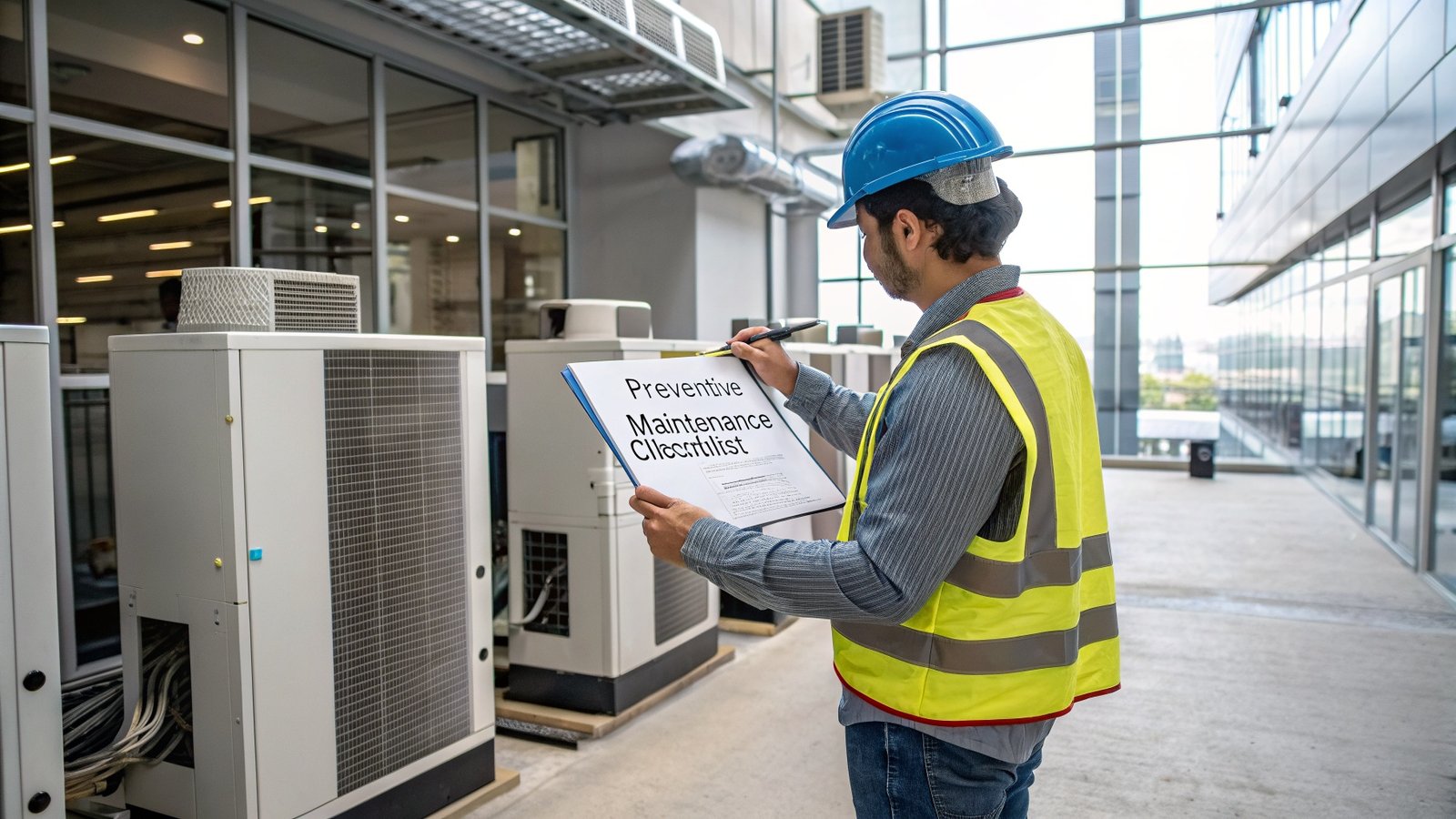
My Commercial Building Surveyor helps property owners implement effective planned preventative maintenance (PPM) programs across the UK. Proactive maintenance preserves building value, prevents costly emergency repairs, and extends asset life. This comprehensive guide explains how condition surveys support PPM strategies, typical maintenance cycles, and cost-benefit analysis for commercial property owners.
What is Planned Preventative Maintenance?
Planned preventative maintenance is a proactive approach to building care. Instead of waiting for failures and responding reactively, PPM schedules regular inspections, servicing, and replacements based on building element condition and expected service life. This methodology reduces unexpected breakdowns, minimizes business disruption, and optimizes long-term building performance.
Our qualified building surveyors conduct condition surveys forming the foundation of effective PPM programs. We assess every building element, predict when maintenance or replacement will be needed, and help you develop comprehensive maintenance schedules aligned with your operational and financial planning.
Benefits of Planned Preventative Maintenance
Commercial property owners implementing PPM strategies experience numerous advantages:
1. Reduced Overall Costs
While PPM requires ongoing investment, it typically costs 30-50% less than reactive maintenance over building lifecycles. Planned repairs during convenient scheduling cost less than emergency callouts. Catching problems early prevents small issues becoming expensive failures.
2. Extended Asset Life
Regular maintenance significantly extends building element service life. Well-maintained roofs last 30-40 years versus 15-20 years without maintenance. Heating systems regularly serviced operate 20+ years compared to 10-12 years when neglected. This translates to major capital expenditure savings.
3. Minimized Business Disruption
Equipment failures cause unplanned downtime disrupting tenant operations. PPM schedules maintenance during convenient periods, avoiding emergency situations forcing business closure or relocation. For multi-tenant properties, this maintains tenant satisfaction and rental income.
4. Energy Efficiency Improvements
Well-maintained building systems operate more efficiently. Regular boiler servicing reduces energy consumption by 10-20%. Clean ventilation systems and sealed windows minimize heating and cooling losses. These efficiency gains reduce operating costs and improve environmental performance.
5. Regulatory Compliance
Commercial buildings must meet various regulatory requirements including fire safety, electrical safety, gas safety, and legionella control. PPM programs ensure compliance testing, inspections, and certifications occur on schedule, avoiding enforcement action and legal liability.
6. Preserved Property Value
Buildings with documented maintenance histories and good physical condition command premium prices and attract quality tenants. Deferred maintenance becomes apparent during building surveys when properties are marketed, reducing buyer offers significantly. PPM protects property values.
Key Components of Commercial Property PPM
Comprehensive PPM programs address all building elements systematically:
Roofing
Roofs require regular inspection (at least annually) and maintenance:
- Gutter and downpipe cleaning (twice yearly minimum)
- Flat roof inspections checking membranes, upstands, outlets
- Pitched roof inspections examining tiles, flashings, valleys
- Roof covering repairs or replacement (15-40 year cycles depending on type)
Regular roof maintenance prevents water ingress causing internal damage, structural problems, and business disruption. Our building surveys assess roof condition and predict remaining service life, helping you schedule replacements before failures occur.
External Walls and Fabric
Building envelopes need periodic attention:
- External redecoration (5-7 year cycles for painted surfaces)
- Pointing and masonry repairs
- Window and door maintenance including seals, closers, locks
- Cladding inspections and repairs
- Damp-proof course maintenance
Well-maintained external fabric prevents water penetration, reduces heating costs, and maintains attractive appearance supporting property values and tenant satisfaction.
Mechanical and Electrical Systems
Building services require the most frequent maintenance:
- Heating systems: Annual servicing, 15-20 year replacement cycles
- Cooling systems: Quarterly servicing, filter changes, 12-18 year replacement
- Ventilation: Quarterly cleaning, annual testing, 15-20 year replacement
- Electrical systems: 5-yearly testing (EICR), 25-40 year rewiring cycles
- Plumbing: Annual testing, leak detection, component replacement as needed
- Lifts: Monthly servicing, statutory inspections, 20-25 year modernization
Regular servicing maintains efficiency, ensures safety compliance, and prevents breakdowns. Our condition surveys assess system condition and remaining life, informing replacement planning and budgeting.
Fire Safety Systems
Fire protection requires rigorous maintenance schedules:
- Fire alarm testing (weekly call points, quarterly full system)
- Emergency lighting testing (monthly function checks, annual duration tests)
- Fire extinguisher servicing (annual)
- Sprinkler system testing (quarterly, annual full discharge)
- Fire door inspections (6-monthly)
Fire safety compliance is non-negotiable. PPM programs ensure all required testing occurs on schedule, maintaining safety and avoiding regulatory enforcement.
Drainage and External Areas
Site infrastructure needs regular attention:
- Drainage cleaning and CCTV surveys (annual or bi-annual)
- Car park resurfacing (8-12 year cycles)
- External lighting maintenance
- Landscaping and grounds maintenance
- Boundary wall and fencing repairs
Developing a PPM Program
Creating effective PPM strategies requires systematic planning:
Step 1: Commission a Comprehensive Condition Survey
Our detailed building surveys assess current condition of all building elements, identify existing defects requiring attention, and predict future maintenance requirements. This baseline assessment informs PPM program development and budget planning.
Step 2: Prioritize Actions
Not all maintenance needs equal urgency. We categorize issues into:
- Urgent (0-12 months): Safety issues, regulatory compliance, imminent failures
- Short-term (1-3 years): Deteriorating elements requiring attention soon
- Medium-term (3-7 years): Elements approaching end of serviceable life
- Long-term (7+ years): Future replacement or major refurbishment needs
Step 3: Develop Maintenance Schedules
Create comprehensive schedules listing all maintenance tasks, frequencies, responsible parties, and estimated costs. Digital maintenance management systems help track completion and generate alerts when tasks become due.
Step 4: Budget and Resource Allocation
Establish maintenance budgets covering routine tasks and future capital expenditure. Sinking funds or reserves accumulate money for major replacements, avoiding cash flow crises when expensive work becomes necessary.
Step 5: Engage Competent Contractors
Select qualified, insured contractors for maintenance works. Framework agreements with preferred suppliers often provide better pricing and service levels than ad-hoc appointments.
Step 6: Monitor and Review
Track maintenance completion, costs, and outcomes. Annual reviews update maintenance plans based on building performance and changing circumstances. Regular condition surveys (every 3-5 years) reassess building condition and adjust PPM programs accordingly.
PPM Cost Considerations
Understanding maintenance costs helps with budget planning:
Typical Annual PPM Costs
As a rough guide, annual PPM costs for commercial properties range from:
- Basic properties: £8-15 per square meter per year
- Standard office buildings: £15-25 per square meter per year
- High-specification buildings: £25-45 per square meter per year
These figures cover routine maintenance, servicing, and small repairs. Capital expenditure for major replacements requires additional budgeting, typically 0.5-1.5% of property value annually.
Return on Investment
PPM investment typically delivers 300-500% ROI through:p>
- Reduced emergency repair costs
- Extended equipment service life
- Lower energy consumption
- Preserved property values
- Maintained rental income through tenant satisfaction
Common PPM Pitfalls to Avoid
Many property owners struggle with maintenance management. Common mistakes include:
1. Inadequate Initial Assessment
Developing PPM programs without comprehensive condition surveys results in incomplete maintenance schedules missing critical elements. Our detailed surveys provide complete building assessments informing effective PPM strategies.
2. Insufficient Budgeting
Underestimating maintenance costs leads to deferred maintenance and eventual system failures. Realistic budget planning based on professional surveys prevents this problem.
3. Lack of Follow-Through
Creating maintenance schedules means nothing without consistent execution. Strong management systems and contractor relationships ensure planned maintenance actually occurs.
4. Ignoring Compliance Requirements
Focusing on building fabric while neglecting compliance testing creates legal and safety risks. Comprehensive PPM includes all regulatory requirements.
5. No Regular Review
Buildings and requirements change over time. Annual reviews and periodic condition surveys keep PPM programs current and effective.
How Building Surveys Support PPM
Professional condition surveys from My Commercial Building Surveyor provide essential PPM foundations:
Comprehensive Assessment
Our experienced surveyors examine all building elements systematically, identifying current condition, defects, and deterioration indicators. This complete picture informs maintenance planning.
Service Life Predictions
We assess remaining service life for building elements, helping you schedule replacements before failures occur. This foresight enables budget planning and prevents emergencies.
Cost Estimates
Our surveys provide budget estimates for identified repairs and future maintenance requirements. These figures support financial planning and investment decisions.
Prioritized Recommendations
We categorize findings by urgency and importance, helping you allocate resources effectively. Safety issues and imminent failures receive priority, while longer-term items inform future planning.
Documentation
Detailed survey reports create permanent records of building condition supporting property management, valuations, and sales transactions. Well-documented maintenance histories demonstrate responsible property stewardship.
Conclusion: Proactive Property Management
Planned preventative maintenance represents best practice for commercial property management. PPM programs reduce costs, extend building life, minimize disruption, ensure compliance, and preserve property values. The investment in regular maintenance delivers substantial long-term returns compared to reactive approaches allowing building deterioration.
My Commercial Building Surveyor's experienced team provides comprehensive condition surveys supporting effective PPM program development. Our detailed assessments identify current building condition, predict future requirements, and provide practical recommendations helping property owners implement successful maintenance strategies.
Whether you manage a single commercial property or extensive portfolio, professional building surveys provide the foundation for effective preventative maintenance. Protect your investment, satisfy your tenants, and optimize long-term building performance through proactive maintenance planning.
Ready to Implement PPM?
Our qualified building surveyors conduct comprehensive condition surveys providing the foundation for effective maintenance programs.
Commission Your Survey