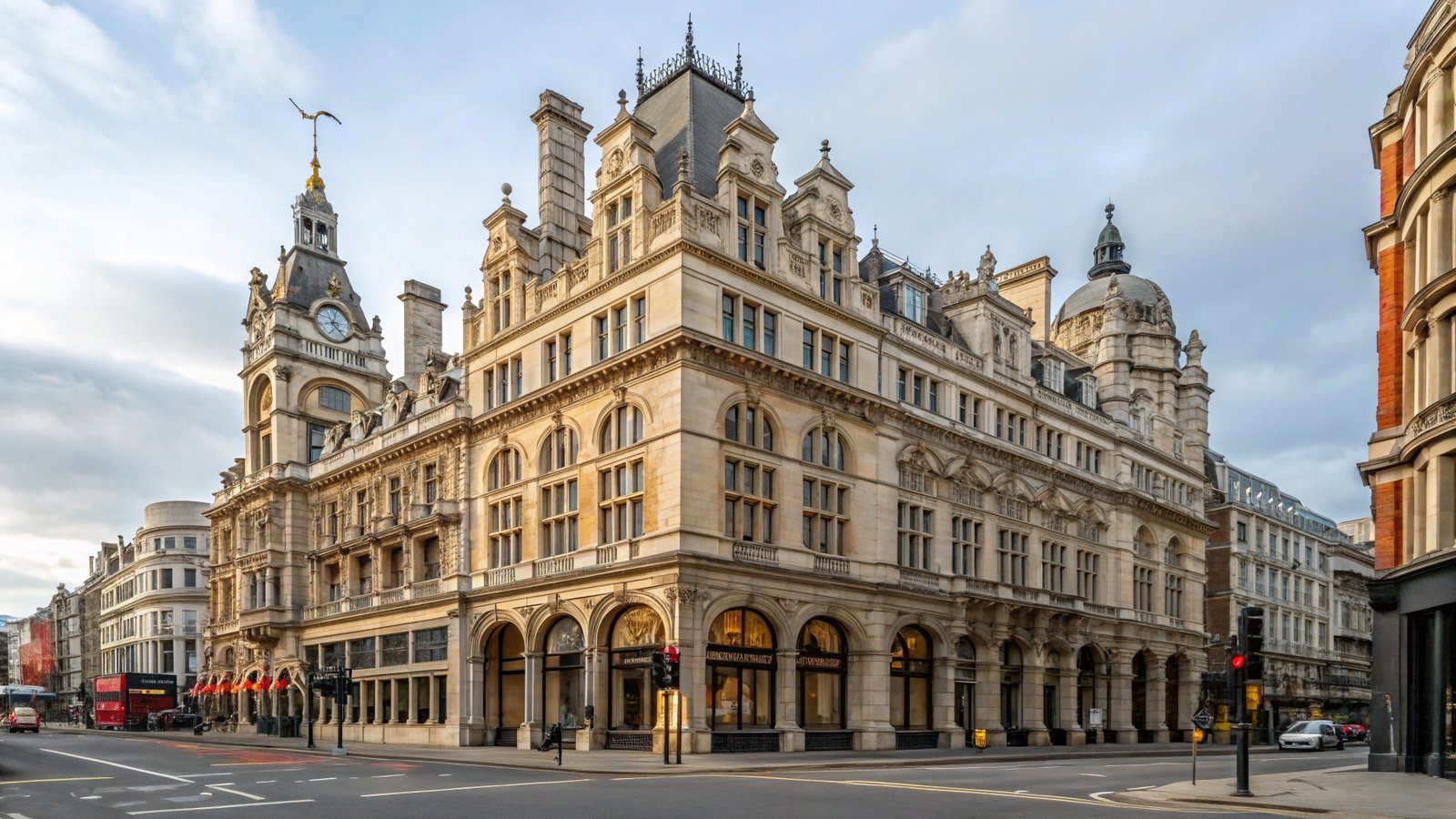
My Commercial Building Surveyor provides specialist surveys for listed and heritage commercial buildings throughout the UK. Listed buildings require unique surveying approaches considering conservation principles, regulatory constraints, and traditional construction methods. This comprehensive guide explains what property owners need to know about surveying listed commercial buildings, from listing categories and alteration restrictions to maintenance challenges and repair approaches.
Understanding Listed Buildings
Listed buildings are structures of special architectural or historic interest protected by law. In England and Wales, Historic England maintains the National Heritage List identifying approximately 500,000 listed buildings. Listing protects buildings from demolition or inappropriate alteration, preserving architectural and historical heritage for future generations.
Our qualified building surveyors have extensive experience surveying listed commercial properties including historic offices, retail premises in period buildings, converted warehouses, and heritage hospitality venues. We understand conservation principles, traditional building materials, and the regulatory framework governing listed building care.
Listed Building Categories
Buildings are listed in three grades reflecting their relative importance:
Grade I
Grade I listed buildings (approximately 2.5% of listings) are exceptional importance. These buildings include outstanding examples of architectural styles, works by renowned architects, or buildings with exceptional historical associations. Alterations to Grade I properties face extremely stringent controls requiring compelling justification.
Grade II*
Grade II* buildings (approximately 5.8% of listings) are particularly important buildings of more than special interest. While not reaching Grade I exceptional status, these properties represent outstanding examples deserving strong protection. Significant alterations require careful justification and detailed heritage impact assessment.
Grade II
Grade II listed buildings (approximately 91.7% of listings) are of special interest, warranting efforts to preserve them. Most listed commercial properties fall within Grade II, providing protection while allowing sympathetic adaptation for commercial use when properly justified and executed.
Why Listed Building Surveys Differ
Surveying listed commercial buildings requires specialized knowledge and approaches distinct from standard building surveys:
Traditional Construction Understanding
Many listed buildings use traditional construction methods unfamiliar to surveyors trained primarily on modern buildings. Solid wall construction, lime mortars, timber frame structures, and traditional roofing systems behave differently from modern equivalents. Our experienced surveyors understand traditional building performance and appropriate repair approaches.
Conservation Principles
Listed building care follows conservation principles prioritizing minimal intervention, use of traditional materials, and reversibility of works. Repairs should respect original craftsmanship and materials. Our surveys identify repair requirements while recommending conservation-appropriate approaches respecting building significance.
Regulatory Framework Knowledge
Listed building alterations require Listed Building Consent before works commence. Unauthorized works constitute criminal offenses carrying unlimited fines. Our surveys identify works requiring consent and help you understand regulatory implications before purchasing or altering listed properties.
Specialized Defect Assessment
Traditional construction develops different defect patterns than modern buildings. Lime mortar joints weather differently than cement pointing. Solid walls manage moisture through different mechanisms than cavity construction. Our surveyors recognize traditional building behavior, distinguishing normal characteristics from actual defects requiring intervention.
Common Issues in Listed Commercial Buildings
Through extensive experience surveying heritage properties, our team identifies recurring issues affecting listed commercial buildings:
1. Inappropriate Previous Repairs
Many listed buildings suffer damage from past inappropriate repairs using incompatible modern materials. Cement pointing traps moisture in stone or brick causing spalling. Hard cement renders prevent walls breathing properly. Modern impermeable paints seal building fabric causing deterioration. Our surveys identify inappropriate past works and recommend sympathetic remediation.
2. Decay of Traditional Timber
Historic buildings often contain substantial timber elements including roof structures, floor joists, wall plates, and decorative features. Wet rot, dry rot, and wood-boring insect attack affect aged timber. Our detailed inspections examine timber condition thoroughly, identifying decay extent and recommending appropriate conservation repairs.
3. Roof Problems
Traditional roofing systems using slate, clay tiles, or lead coverings deteriorate over time. Roof structures may show deflection or decay. However, complete replacement often damages historic fabric. Our surveys assess roof condition, identifying repair needs while recommending conservation-minded approaches preserving historic materials where possible.
4. Moisture Management
Traditional solid wall construction manages moisture through evaporation rather than barriers. Modifications blocking breathability cause problems. Defective rainwater goods, ground level changes, or failed drainage create dampness issues. Our surveyors assess moisture patterns, identify causes, and recommend appropriate interventions respecting traditional building physics.
5. Structural Movement
Many listed buildings show structural movement accumulated over centuries. Distinguishing historic stable movement from ongoing progressive problems requires experience. Our qualified surveyors assess movement severity, analyze crack patterns, and determine whether monitoring or remedial works are necessary.
6. Modern Building Services Integration
Commercial occupation requires heating, electrical, data, and ventilation services. Installing modern services without damaging historic fabric challenges listed building owners. Our surveys assess existing services and identify opportunities for sympathetic improvements meeting business needs while respecting building significance.
7. Access and Fire Safety Compliance
Commercial listed buildings must meet accessibility and fire safety regulations. However, some standard solutions damage historic fabric or character. Our experienced surveyors understand alternative compliance approaches balancing regulatory requirements with heritage conservation.
Survey Process for Listed Buildings
Our listed building survey process combines standard building survey methodology with heritage expertise:
Pre-Survey Research
Before site inspection, we research building history using listing descriptions, conservation area designations, planning history, and archival resources. Understanding building development and significance informs inspection focus and recommendations.
Detailed Site Inspection
Our thorough inspections examine all accessible areas using appropriate investigation techniques. We assess traditional construction performance, identify defects and deterioration, document historic features, and evaluate past alterations. Photography records building condition and significant features comprehensively.
Assessment Against Conservation Principles
Our analysis considers building significance, condition issues, and repair requirements through conservation lenses. We distinguish elements requiring immediate attention from long-term monitoring needs, always prioritizing approaches minimizing intervention and respecting historic fabric.
Comprehensive Reporting
Listed building survey reports explain findings clearly while addressing heritage considerations. Reports include:
- Description of listed building and significant features
- Assessment of traditional construction performance
- Identification of defects and deterioration
- Evaluation of previous alterations and repairs
- Conservation-appropriate repair recommendations
- Regulatory considerations and consent requirements
- Cost estimates for recommended works
- Maintenance advice respecting traditional building needs
Alterations and Listed Building Consent
Listed building owners planning alterations must understand regulatory requirements:
What Requires Listed Building Consent
Any works affecting a listed building's character as a building of special architectural or historic interest require Listed Building Consent. This includes both external and internal works, even those not needing planning permission. Examples include:
- Structural alterations
- Window or door replacement
- Changes to internal layout
- Installation of new building services
- External cladding or insulation
- Demolition of any part of the structure
The Consent Application Process
Listed Building Consent applications require detailed documentation including measured drawings, heritage statements, design and access statements, and sometimes specialist heritage impact assessments. Local planning authorities consult Historic England on significant applications. Our surveyors can advise on consent requirements and support application preparation.
Enforcement and Penalties
Unauthorized works to listed buildings constitute criminal offenses. Local authorities can issue Listed Building Enforcement Notices requiring removal of unauthorized works and reinstatement of original features. Fines are unlimited, and serious cases can result in imprisonment. Always obtain consent before commencing works.
Costs of Listed Building Ownership
Listed commercial buildings often incur higher maintenance and repair costs than standard properties:
Specialist Materials and Skills
Conservation repairs require traditional materials including lime mortars, traditional timber, heritage roofing materials, and traditional paints. Specialist craftspeople with heritage skills command premium rates. Expect repair costs 20-50% higher than modern construction equivalents.
Regulatory Compliance
Listed Building Consent applications incur professional fees for architects, heritage consultants, and planning consultants. Complex applications requiring detailed heritage statements or specialist assessments cost £5,000-£20,000+ before any physical works commence.
Maintenance Intensity
Traditional construction requires more frequent maintenance than modern equivalents. Lime mortar joints need repointing more often than cement. Traditional roofing materials require specialist maintenance. Factor higher ongoing costs into commercial property investment appraisals.
Building Insurance
Specialized listed building insurance costs more than standard commercial property insurance. Insurers recognize higher rebuild costs using traditional materials and increased maintenance complexity.
Benefits of Listed Commercial Buildings
Despite challenges, listed properties offer advantages for commercial owners:
Character and Prestige
Historic buildings provide unique character and prestige attracting premium tenants and customers. Period features, architectural quality, and heritage associations support brand positioning and business success.
Location Benefits
Many listed buildings occupy prime locations in town centers or conservation areas. Central positions, established neighborhoods, and historic streetscapes support commercial viability.
Grant Funding
Repair grants may be available from Historic England, National Lottery Heritage Fund, local authorities, or charitable trusts for significant heritage buildings. While competitive and not guaranteed, grants can offset conservation repair costs.
Taxation Relief
VAT on approved alterations to listed buildings qualifying as protected buildings is zero-rated rather than standard 20% rate, providing significant tax savings on major refurbishment projects.
Choosing Surveyors for Listed Buildings
Listed building surveys require specialist expertise beyond standard commercial surveying knowledge:
Conservation Experience
Select surveyors with proven listed building and conservation experience. Our team has surveyed hundreds of heritage properties across all listing grades and building types, providing the specialized knowledge your listed property deserves.
Traditional Construction Understanding
Surveying historic buildings requires understanding traditional building materials, construction methods, and appropriate repair approaches. Our surveyors combine modern surveying qualifications with conservation training and traditional building expertise.
Regulatory Knowledge
Listed building surveys should identify works requiring Listed Building Consent and regulatory implications of proposed alterations. Our experience working with conservation officers, planning authorities, and Historic England informs practical advice navigating regulatory requirements.
Professional Qualifications
Look for RICS accredited surveyors with additional conservation expertise. Our senior surveyors hold professional qualifications and maintain continuous professional development in conservation principles and historic building care.
Conclusion: Specialist Expertise for Heritage Properties
Listed commercial buildings offer unique opportunities and challenges for property owners. Surveying heritage properties requires specialized knowledge combining traditional building understanding, conservation principles, and regulatory expertise with commercial property experience.
My Commercial Building Surveyor's qualified team provides comprehensive surveys for listed and heritage commercial buildings throughout the UK. Our detailed assessments identify building condition, evaluate conservation requirements, and provide practical advice balancing commercial needs with heritage protection obligations.
Whether purchasing a listed property, planning alterations, or implementing maintenance strategies, professional surveys from experienced heritage surveyors protect your investment while respecting building significance. Don't risk inappropriate repairs or regulatory violations - commission specialist listed building surveys providing the expert guidance heritage properties deserve.
Need a Listed Building Survey?
Our conservation-experienced surveyors provide specialist surveys for listed and heritage commercial properties.
Request Specialist Survey